MY STORY
The night the switch finally flipped.
Three DUIs. Multiple rolled vehicles, including a Jeep I'd had for two months. Blackouts I'd stopped counting because they'd stopped feeling out of the ordinary. A COVID-era Zoom AA meeting where I didn't speak. Thirty days later I checked into inpatient. More than five years on, leaner than I was in high school. This is the whole story, written without the parts that aren't tidy.
Before.
For about five years, I lived inside the cycle most people in early recovery know too well. One or two steps forward, three or four steps back. I couldn't get out of my own way. I'd quit for a week and convince myself I was fine, then drink for two and convince myself I was different. The mathematics never worked but I kept solving the problem with the same broken calculator.
I racked up three DUIs in about that same five years. I rolled multiple vehicles. I'd had so many blackouts I'd stopped counting — they didn't feel like incidents anymore, they were just what a weekend was. The third time I wrecked was a Jeep I'd had for two months. I sat there afterward, and I had a kind of clarity I'd never had: this was going to kill me, or it was going to put me in prison. There wasn't a third option to pretend toward.
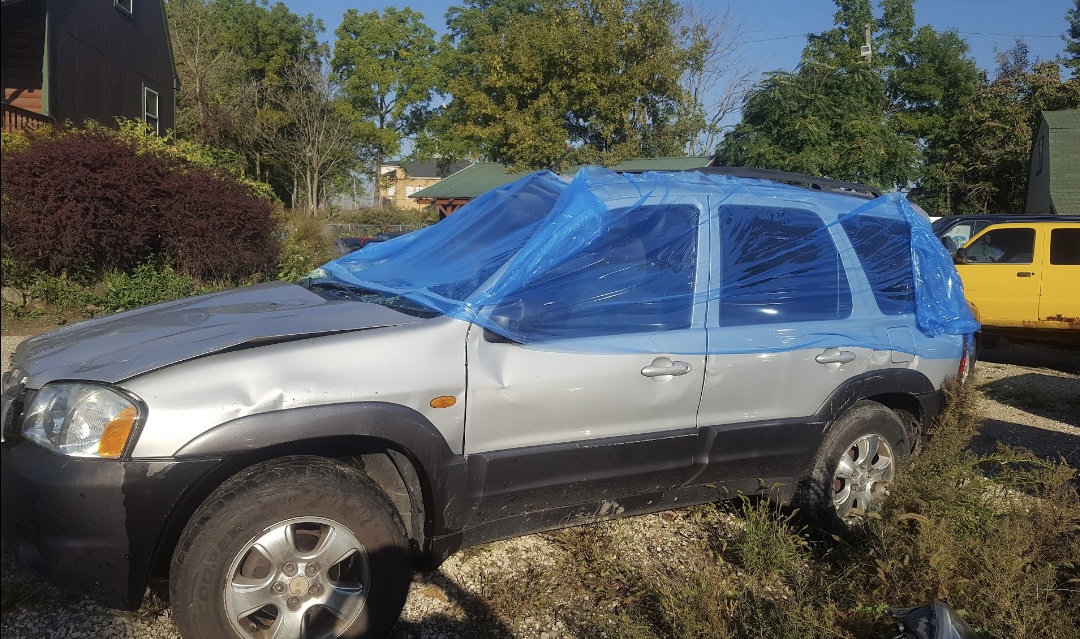
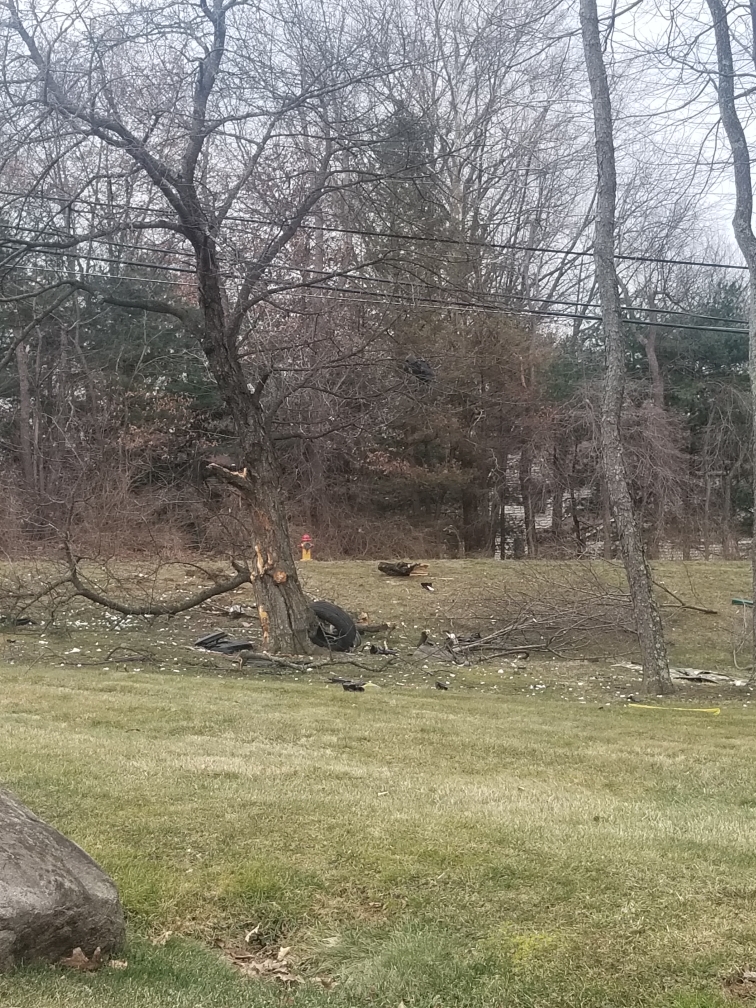
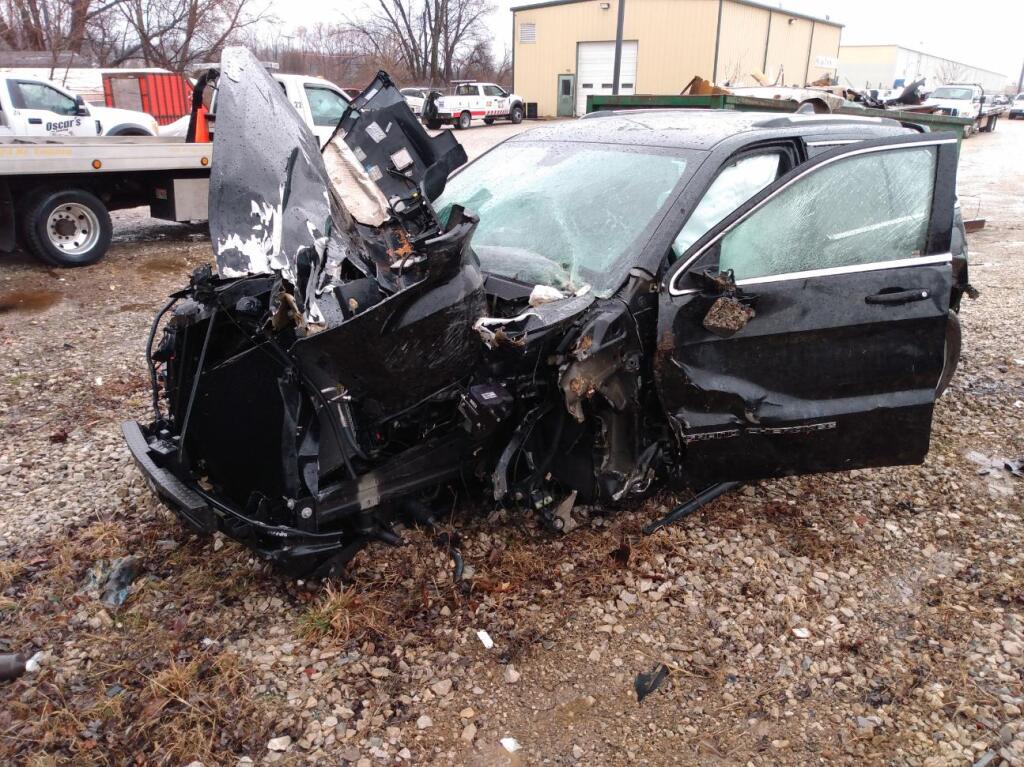
I had a kind of clarity I'd never had: this was going to kill me, or it was going to put me in prison. There wasn't a third option to pretend toward.
That was the day the switch flipped. I want you to hear me on this, because so many people in early sobriety are waiting for the switch — the great cinematic moment of clarity, the perfect ground-zero of will. Sometimes it comes loud. Often it doesn't. Mine came on the side of a road, looking at a vehicle I'd had for two months, knowing I was about to lose everything I had left.
The first weeks.
The first thing that cracked me open wasn't a treatment center. It was a Zoom AA meeting, about a week or two after my last drink. It was COVID, so the rooms had moved online. I didn't speak. I just listened. Strangers were saying things I'd never said out loud, and I started crying for reasons I couldn't even fully name. For what felt like the first time in my life, I knew I was exactly where I was supposed to be.
About thirty days sober, I went to inpatient. That's where the structure came in — a daily rhythm, other people doing the same hard thing in the same building, someone to be accountable to even when the only person I wanted to lie to was myself.
I didn't have a sponsor yet. I didn't have a program yet. I had a brother who was also sober and would pick up his phone, an online meeting with strangers I'd probably never see again, and a notebook where I started writing things down to see if I could make them true by saying them out loud on paper. That was the beginning of this.
The body.
I've been a big guy my whole life. I was close to three hundred pounds at eighteen, nineteen — the heaviest I ever got was about 290. I got down to 215 or 220 in my early twenties, but I wasn't really working out. Just skinny-fat. From about twenty to twenty-five I yo-yoed between 230 and 245, out of shape, undisciplined, the kind of tired you can't sleep off because the tired is in your skull.
I didn't actually start working out until I was in inpatient treatment. The group would go to a local rec center, and I had no idea what I was doing. I was six-plus feet and 240 pounds and still surprisingly weak. So I did the thing I knew I could do: I jumped on the stairmaster and went as hard as I could for twenty minutes. With cardio I didn't have to have perfect technique to avoid hurting myself, and I knew how to push myself. I'd come off it soaked in sweat.
Then I started running on the little indoor track above the basketball courts in that rec center. Two or three miles at a time, just to see if I could. After inpatient I lived half a mile from a gym — friend would drop me off on the way home from work, I'd walk home — and I started showing up almost daily. I've never had a personal trainer or a coach. I've just kept tweaking it for five years.
The discipline you build in one place starts paying dividends everywhere.
The body change was slow and not linear. Six months in I'd barely lost weight on the scale, but my composition was changing — that's why progress photos matter more than the scale. Around the eighteen-month mark I started leaning out. By the two-year mark I was in the high 180s, lighter than I'd been since eighth grade. These days I sit in the low 210s — heavier than I was at my leanest, but more muscle, and still running 6 miles at a sub-7 pace on a good day.
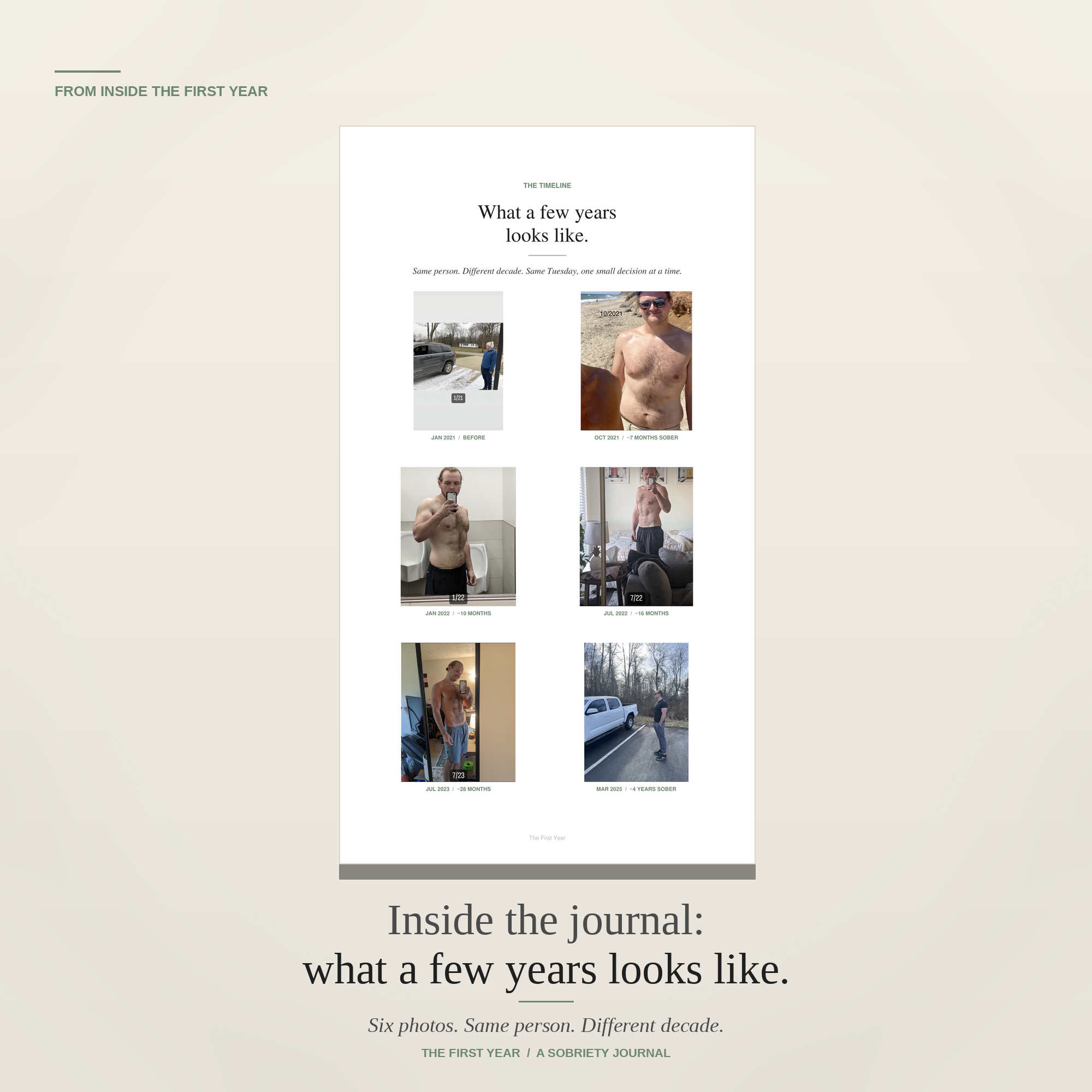
That's the short version. The full workout split, the drop-set scheme, the diet evolution, and the slow build from "I can't run a quarter mile" to "I ran a 1:34:43 half marathon by myself in November 2025 at a 7:14 per mile pace" are coming as part of the next chapter of this project — for now, the journals are the place to start.
Why this exists.
More than five years in, I sat down to write a journal for the version of me on Day 1. I couldn't find anything that felt honest enough to give him. The recovery section of every bookstore was either preachy, generic, or pretending the work is easier than it is. So I made the thing I couldn't find.
Then I made longer versions, because I remembered that the dramatic months are early and the slow real work is later. The First Six Months and The First Year take you the rest of the way. The themed workbooks — confidence, self-esteem, dry drunk, money, family repair — picked up from there, for the work that doesn't follow a sobriety timeline.
The work doesn't end. It just changes shape. The journals are where the road starts. Every purchase gets you into the Discord community, so the work doesn't have to be done alone.
I'm rooting for you. You're allowed to be the version of you on Day 1. That's where we start.